
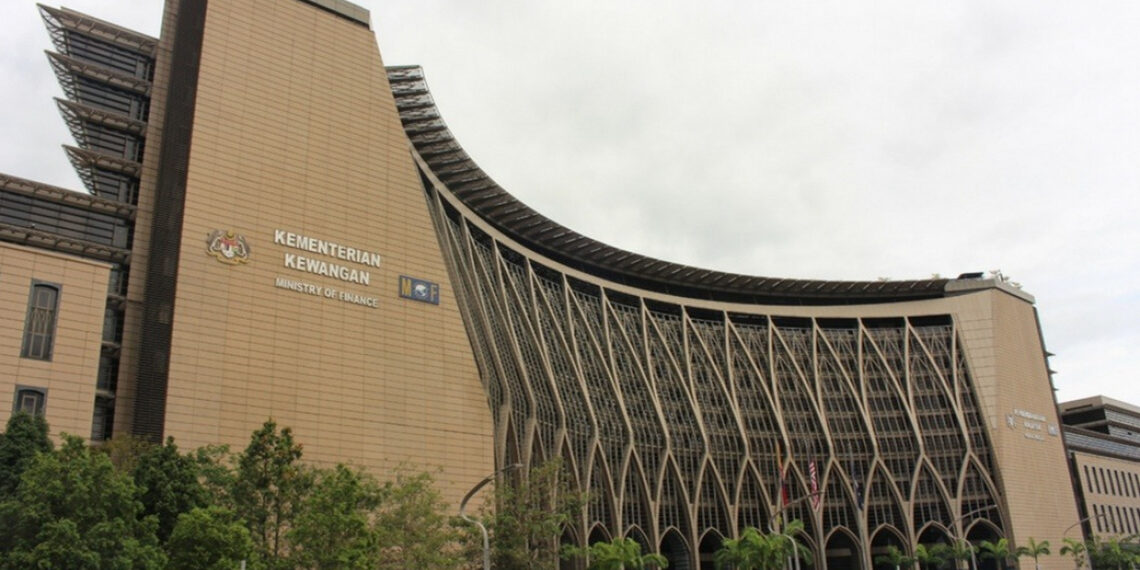
The Ministry of Finance (MOF) has granted businesses a temporary window to manually file tax returns for newly taxable services under the expanded sales and service tax (SST) regime from July 1 to Sept 30, 2025.
This measure is to help ease compliance with requirements and facilitate a smoother transition under the expanded SST.
However, the MOF, in a statement on Friday, clarified that businesses must continue charging and remitting the service tax throughout this period.
Further, the ministry said the Royal Malaysian Customs Department has opened voluntary early registration to allow manufacturers to register before the effective date.
“Accordingly, manufacturers who have registered are required to charge and collect the sales tax starting July 1, and are eligible to apply for exemptions on raw materials used in the manufacturing of taxable goods,” it said.
Companies that have already been granted sales tax exemptions by the Tax Exemption Committee (JPC) or the Malaysian Investment Development Authority (MIDA) before July 1 will continue to enjoy those exemptions, subject to the specified terms and duration.
However, companies that begin manufacturing taxable finished goods after July 1 and exceed the prescribed threshold value are required to register as registered manufacturers, and may apply for exemption through the MySST portal.
According to the MOF, the facilitation measures were introduced in response to feedback and requests from the industry, which raised concerns about the difficulty of complying with all operational requirements under the expanded SST framework. Some service providers, the ministry noted, may need more time to upgrade their systems to ensure compliance and proper tax implementation.
“The MOF hopes that these facilitation measures will help ensure smoother business operations and ease compliance for companies affected by the expanded scope of the SST,” it added.
The initial announcement on June 9 outlined the expansion of the SST, with a 5% to 10% sales tax imposed on selected non-essential goods, while the service tax was widened to include sectors such as rental or leasing, construction, finance, private healthcare, education, and beauty services, at rates of 6% to 8%.
The SST expansion, first announced under Budget 2025 in October last year, is part of the government’s strategy to broaden the country’s tax base and increase revenue to fund public services and social assistance. However, it has faced pushback from both the public and industries over concerns about inflation and higher business costs.
Source: The Edge